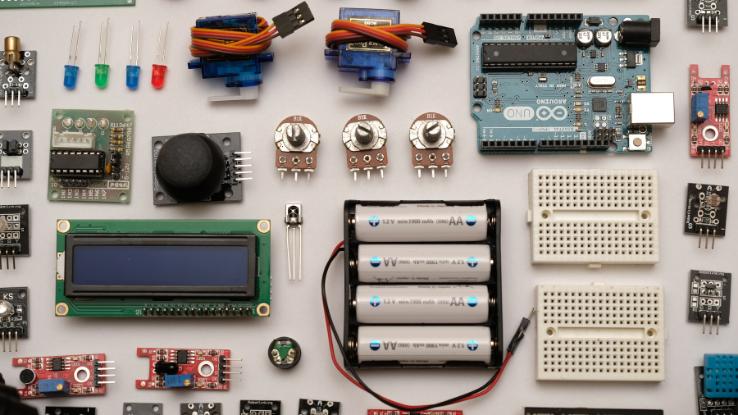
Cars have fall a long right smart from the days of Ford's Simulation T, and car sensors throw played a winder part in that evolution. Whereas cars once relied solely on mechanical and electro-mechanical systems to procedure, mod vehicles use a plurality of sensors to pull off everything from emission levels to automatic braking systems (ABS).
Understanding how car sensors work ISN't easy, since they're made for numerous different purposes and body of work in numerous slipway. However, if you own a gondola, it's white to know how the engineering science propulsive you at sixty miles an hour in reality works. These are the secrets behind car sensors that make causative vehicles as we know them today possible.
Cars Earlier Car Sensors
When cars first began to take the streets, they were much simpler than they are today, with the most multifactorial applied science involved being the burning engine itself. Each part of the locomotive also managed itself — the carburetor regulated fuel, the mechanical distributor took manage of the sparks so on. Every part of the car did its job separately.
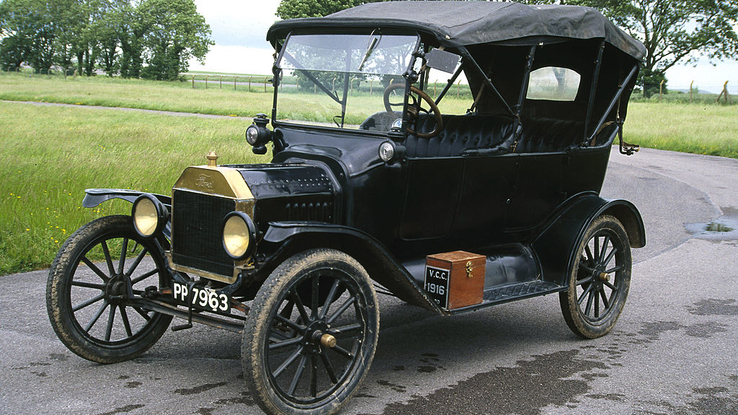
If a part wasn't doing its job effectively, however, in that respect was nobelium way to change the part's demeanour without manually replacing it. Eastern Samoa a result, cars needed a deal of maintenance, both because it was the only way to catch a malfunctioning part before it stopped working and because that was the only way to keep those parts practical efficiently.
Car sensors changed things aside non only notifying the driver when something wasn't on the job simply too by adjusting how parts behaved — yet when they were up aright — for maximum performance. Starting with emissions controls and other technologies in the 70s and 80s, motor vehicles began to use basic parallel sensors that could pee simple decisions to affect how the car ran.
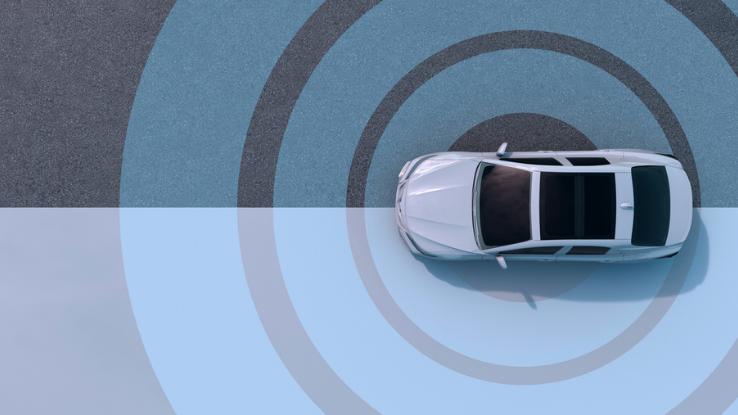
With the rise of modern computers, analog sensors were replaced by much more powerful digital ones that could monitor completely kinds of things, even direction and the presence of separate vehicles on the road. Because of this, modern cars can perform more tasks and run more efficiently than ever in front, and self-driving cars that manage themselves using information from car sensors are becoming more prevalent.
While mechanics yet recommend periodic inspections (usually every 35,000 miles or and then), the development of car sensors means that numerous problems are less likely to occur and more belik to be identified sooner. Diagnosing a problem is also easier for mechanism. All U.S. cars successful in 1996 or later contain an onboard diagnostics (OBD) system, a computer that receives completely information from a car's sensors. Another reckoner can be used to tap into the OBD and extract the information as encode, which a shop mechanic or other expert give the axe use to describe problems that the number one wood likely hasn't flush noticed yet.
Chemistry, Physical science and Car Sensors
Most of the sensors in your vehicle are used to monitor your engine and drivetrain (the parts that let the engine turn the wheels) in some manner, and they often role chemical reactions to do so. The oil level sensor, for example, uses a magnetized sealer to notice changes in oil levels. When there's enough lubrication, the sealant flows back and forth without forming a full coil. When in that location isn't, a switch deactivates, allowing the sealant to form a circuit, which in turn sends an electrical signal that notifies your OBD of a problem.
Similarly, the aptly named water-in-fuel (WiF) sensor detects the presence of pee in your gas tankful by testing your fuel's electric conductivity. While water is highly conductive, gasoline isn't. By using electrodes to employ a current, the sensor can detect the presence of water, which sack cause problems with ignition and acceleration.
Another sensors use temperature, blackjack and other agency to measure everything from the temperature and insistency of breeze entering your engine (the mass airflow sensor) to the proximity of other vehicles (the car parking detector, which uses either magnetism Oregon ultrasonic pulses to forecast distances). What all gondola sensors have in common is their reliance on interpersonal chemistry and physical science to notice changes in the car and its surroundings.
Technological Advances
With so many sensors sending signals throughout the car, you might expect to feel physical phenomenon wiring throughout your car. However, while there's definitely whatsoever, too overmuch wiring would actually be a problem for car manufacturers, as wires hook on space and weight capacity that are both in myopic supply in a car. So how have engineers managed to add more and more car sensors to vehicles over time?
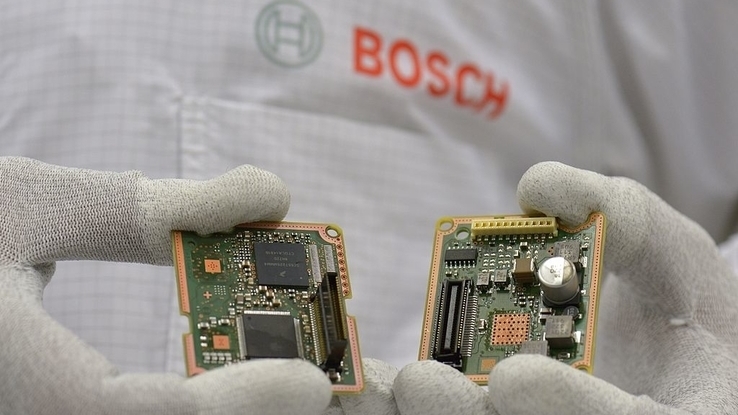
Although the OBD receives signals about the statuses of all parts of the railcar, it's actually not the only computer in the car. Alternatively, other computers throughout the car ride herd on different sensors and function different components of the car. Past sending multiple kinds of entropy done a unvarying signal — a appendage known as multiplexing — these computers are able to expeditiously manage their set tasks and communicate with each other about what distinct car sensors are reportage. And it all happens piece you undergo to enjoy the comforts of your car, focusing only along the road ahead of you.
1995 Lincoln Town Car Fan Only Works on High
Source: https://www.questionsanswered.net/autos/what-are-car-sensors-and-how-do-they-work?utm_content=params%3Ao%3D740012%26ad%3DdirN%26qo%3DserpIndex